Clear The Story The real story behind what you think you know.

Clear The Story

The real story behind what you think you know.


Latest Articles

All-Cash Real Estate Buyers Think They're Winning — The Math Says Otherwise
Real Estate

All-Cash Real Estate Buyers Think They're Winning — The Math Says Otherwise

Paying cash for real estate feels like the ultimate power move, and everyone says cash buyers always win. But tying up hundreds of thousands in a single illiquid asset often costs more than most people realize.

That 'Motivated Seller' Listing Isn't the Deal You Think It Is
Real Estate

That 'Motivated Seller' Listing Isn't the Deal You Think It Is

Real estate listings love to advertise 'motivated sellers' as if it's great news for buyers. But that eagerness to sell quickly usually signals problems that could cost you far more than any potential discount.

The Bidding War Illusion: Why Losing That House Might Be Your Best Financial Move
Tech & Culture

The Bidding War Illusion: Why Losing That House Might Be Your Best Financial Move

Getting outbid on a home feels devastating, and agents often frame it as missing your only chance. But bidding wars are frequently manufactured drama, and losing out might save you from making an expensive mistake driven by artificial urgency.

Your Agent's 'Hot Market' Data Is Already Cold: The Lag That's Misleading Buyers
Real Estate

Your Agent's 'Hot Market' Data Is Already Cold: The Lag That's Misleading Buyers

Real estate agents confidently cite market data to justify prices and strategies, but most of their information reflects what happened months ago, not what's happening now. In fast-moving markets, this data lag can cost buyers and sellers thousands.

The Myth of the Dream House: How Forever Home Fantasy Is Draining Your Bank Account
Real Estate

The Myth of the Dream House: How Forever Home Fantasy Is Draining Your Bank Account

Americans are told to buy homes they'll love forever, but this marketing-driven fantasy is making ordinary buyers overspend on features they'll never use. The reality? Most people move every 7-10 years, making the forever home one of real estate's most expensive myths.

When Everyone Wants the Same House, It Doesn't Mean It's Worth the Price
Tech & Culture

When Everyone Wants the Same House, It Doesn't Mean It's Worth the Price

Multiple offers on a home seem like market validation of its value, but bidding wars are often manufactured through strategic underpricing and psychological manipulation. The final sale price frequently has little connection to what the property is actually worth.

Your Agent Says They Work for You—But Their Paycheck Tells a Different Story
Real Estate

Your Agent Says They Work for You—But Their Paycheck Tells a Different Story

Most homebuyers trust their agent completely, assuming full loyalty and advocacy. The reality involves legal gray areas, compensation structures, and dual loyalties that quietly shape every recommendation your agent makes.

Home Equity Isn't the Piggy Bank You Think It Is
Real Estate

Home Equity Isn't the Piggy Bank You Think It Is

Everyone treats home equity like a savings account you can tap when needed. But accessing that money involves costs, risks, and restrictions that make it nothing like the liquid wealth people imagine it to be.

That Perfect Open House Experience? It's Theater, Not Real Estate
Real Estate

That Perfect Open House Experience? It's Theater, Not Real Estate

Those warm cookies and perfectly lit rooms aren't accidents—they're psychological triggers designed to make you fall in love with a house before you've evaluated it as an investment. Open houses prioritize emotion over analysis, and that benefits everyone except the buyer.

That Loan Amount Your Bank Approved? It's Not Your Budget
Tech & Culture

That Loan Amount Your Bank Approved? It's Not Your Budget

Mortgage lenders calculate how much they'll loan based on risk formulas that ignore your actual living expenses, savings goals, and financial comfort. That pre-qualification number was never meant to be your personal spending limit.

Your HOA Was Sold as Protection—Here's How It Became a Financial Trap
Real Estate

Your HOA Was Sold as Protection—Here's How It Became a Financial Trap

Homeowners Associations promise stable property values and shared maintenance, but the fine print reveals financial risks that can devastate your investment. Special assessments, restrictive rules, and legal authority make HOAs less like neighborhood protection and more like financial wildcards.

Why 'Safe' Neighborhoods Aren't What You Think — The Hidden Forces That Create These Labels
Tech & Culture

Why 'Safe' Neighborhoods Aren't What You Think — The Hidden Forces That Create These Labels

Most people trust neighborhood safety ratings without questioning how they're created. The reality is that these judgments often reflect historical biases, selective data, and real estate marketing more than actual safety — creating blind spots that can mislead homebuyers.

That Stack of Papers at Closing? Most of It Isn't Actually Helping You
Tech & Culture

That Stack of Papers at Closing? Most of It Isn't Actually Helping You

Homebuyers sign dozens of documents and pay thousands in closing costs, assuming each fee serves their interests. The truth is more complicated — many of those charges protect other parties in the transaction, not the buyer.

Your Home Appraisal Isn't Looking Out for You — Here's Who's Really Being Protected
Tech & Culture

Your Home Appraisal Isn't Looking Out for You — Here's Who's Really Being Protected

Most homebuyers think the appraisal validates their purchase price and protects their investment. In reality, appraisals are designed to protect the lender's collateral, not confirm whether you're making a smart financial decision.

That Pre-Approval Letter Isn't the Golden Ticket You Think It Is
Tech & Culture

That Pre-Approval Letter Isn't the Golden Ticket You Think It Is

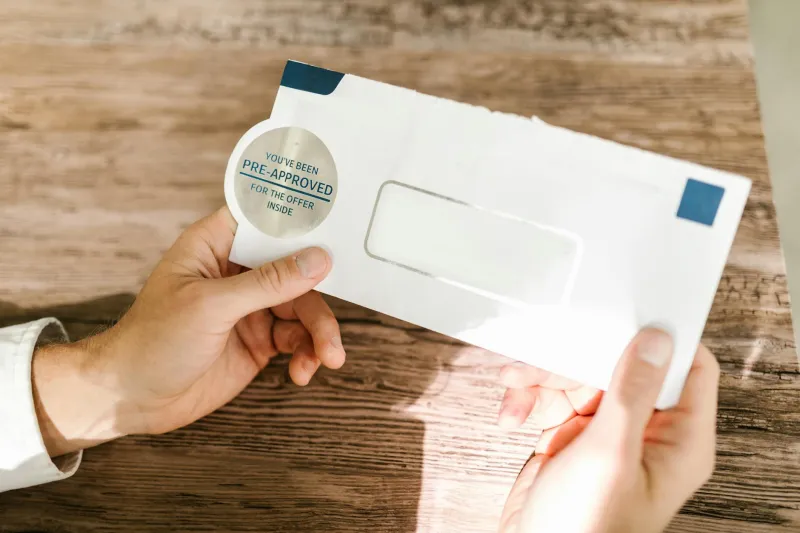
Most homebuyers wave their pre-approval letter like a victory flag, assuming it guarantees their mortgage. The reality is far more complicated—and expensive for those who don't understand the difference between a preliminary nod and an actual commitment.

Your Home's Value Is Rising—But That Doesn't Mean You're Getting Richer
Tech & Culture

Your Home's Value Is Rising—But That Doesn't Mean You're Getting Richer

Watching your home's value climb year after year feels like winning the lottery in slow motion. But here's what most homeowners don't realize: appreciation on paper and actual wealth in your pocket are two completely different things.

That Seller's Disclosure Form Promises Full Transparency—But There's a Massive Legal Loophole Nobody Mentions
Tech & Culture

That Seller's Disclosure Form Promises Full Transparency—But There's a Massive Legal Loophole Nobody Mentions

Homebuyers trust seller disclosure forms to reveal every known problem with a property. The reality is more complicated—sellers only have to disclose what they actually 'know,' creating a legal gray area that leaves buyers vulnerable to expensive surprises.

Your Home Inspector Gave You a Clean Report—But That Doesn't Mean What You Think It Does
Tech & Culture

Your Home Inspector Gave You a Clean Report—But That Doesn't Mean What You Think It Does

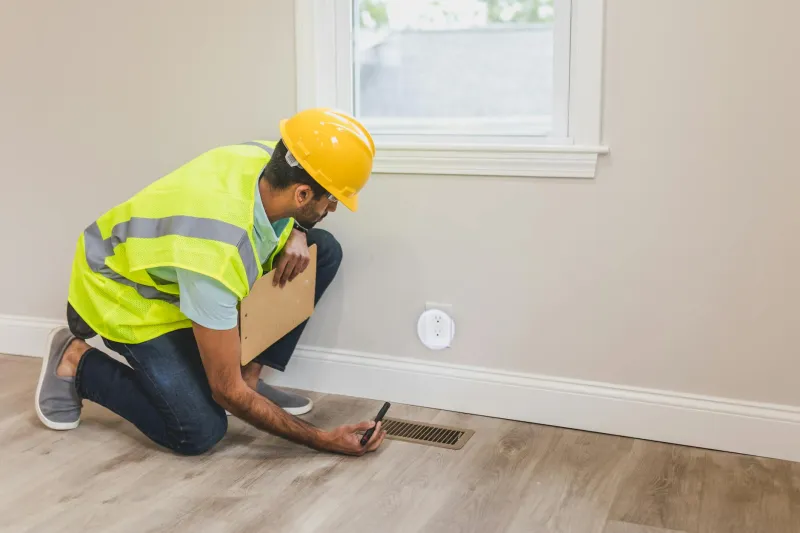
A passed home inspection feels like a green light to buy, but most buyers don't realize what inspectors actually can't—or won't—check. The real story behind that 'clean' report might surprise you.

The 'Move-In Ready' Promise That Costs Buyers Thousands After Closing
Tech & Culture

The 'Move-In Ready' Promise That Costs Buyers Thousands After Closing

Real estate listings love to advertise homes as 'move-in ready,' but this phrase has no legal definition and often means something completely different to sellers than it does to hopeful buyers. Here's why this marketing term regularly leads to expensive surprises after closing.

Pretty Houses, Hidden Problems: Why Curb Appeal Is Real Estate's Most Expensive Distraction
Tech & Culture

Pretty Houses, Hidden Problems: Why Curb Appeal Is Real Estate's Most Expensive Distraction

The real estate industry has convinced us that a home's exterior appearance directly translates to value, but data shows curb appeal premiums are smaller and shorter-lived than most buyers realize. Here's why falling for a pretty facade often means missing the costly problems hiding behind fresh paint and manicured lawns.