No-Money-Down Mortgages Got Blamed for the 2008 Crisis — But They're Not the Villain You Think
No-Money-Down Mortgages Got Blamed for the 2008 Crisis — But They're Not the Villain You Think
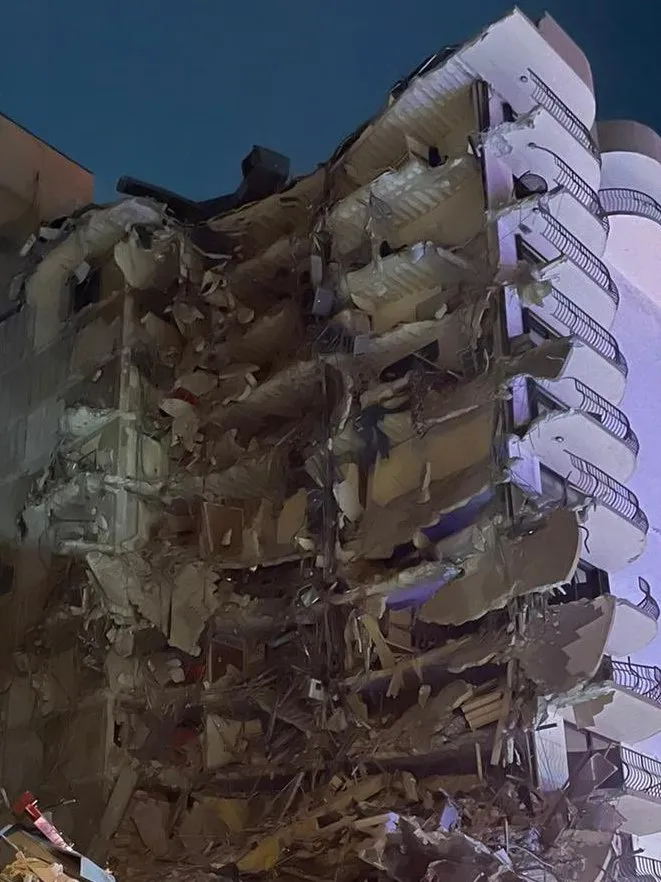
Mention "zero down payment" mortgages to most people, and you'll get the same reaction: a knowing shake of the head about the reckless lending that caused the 2008 housing crisis. The conventional wisdom is clear—no money down equals financial disaster waiting to happen.
But here's what most people don't know: the no-down-payment programs available today are fundamentally different from the toxic mortgages that helped trigger the Great Recession. The real story is more nuanced, and the blanket stigma around zero-down buying may be keeping qualified borrowers out of homeownership for no good reason.
What Actually Caused the 2008 Crisis (Hint: It Wasn't Just Down Payments)
The popular narrative blames zero-down mortgages for the housing bubble, but that oversimplifies what really happened. The crisis stemmed from a perfect storm of bad practices: stated-income loans that didn't verify employment, adjustable-rate mortgages with teaser rates that exploded after two years, and lending to borrowers who clearly couldn't afford the payments.
Many of these toxic loans actually required down payments. The problem wasn't the down payment amount—it was that lenders stopped caring whether borrowers could actually afford their monthly payments. A borrower putting 5% down on a house they couldn't afford was just as likely to default as someone putting zero down.
The real culprit was a lending system that prioritized loan volume over loan quality, combined with complex financial instruments that spread risk throughout the global economy.
Today's Zero-Down Programs Are Built Differently
Modern no-down-payment mortgages operate under completely different rules than their pre-crisis predecessors. Today's programs are primarily government-backed loans with strict qualification requirements and built-in protections.
VA loans, available to military veterans, have been offering zero-down financing since 1944—including throughout the 2008 crisis—with consistently low default rates. These loans require proof of military service, steady income verification, and debt-to-income ratios that ensure affordability.
 Photo: VA loans, via media.slovoidilo.ua
USDA loans provide zero-down financing for homes in rural and suburban areas, but only for borrowers within specific income limits and only for properties that meet location requirements. The program is designed to promote homeownership in underserved areas, not to maximize lending volume.
 Photo: USDA loans, via learn.microsoft.com
Even conventional zero-down options today require extensive income documentation, employment verification, and debt-to-income ratios well below the dangerous levels common before 2008.
The Data Tells a Different Story
Actual performance data shows that today's zero-down borrowers aren't the financial time bombs critics suggest. VA loans consistently outperform many conventional mortgages in terms of default rates, despite requiring no down payment.
The key difference is borrower qualification. Modern zero-down programs typically require higher credit scores and lower debt-to-income ratios than many conventional loans. A veteran getting a VA loan with zero down often has stronger financial credentials than a conventional borrower putting 10% down.
USDA loans also show strong performance, partly because they're limited to areas with lower housing costs and borrowers with moderate incomes—creating a natural affordability buffer.
Why the Stigma Persists (And Who Benefits)
The negative perception of zero-down mortgages persists for several reasons. First, the 2008 crisis created lasting trauma around any lending practice associated with that era. Second, the mortgage industry itself sometimes promotes higher down payments because they reduce lender risk and can justify higher fees.
Real estate professionals often encourage larger down payments because they make offers more competitive and reduce the chance of deals falling through. While this advice can be sound in competitive markets, it's not necessarily in every buyer's best financial interest.
The personal finance industry also promotes the 20% down payment as a universal rule, often without acknowledging that different borrowers have different optimal strategies.
When Zero Down Actually Makes Financial Sense
For many qualified borrowers, zero-down mortgages can be smart financial moves. Military families who move frequently benefit from VA loans' portability and lack of down payment requirements. Rural buyers might find USDA loans the only path to homeownership in their desired areas.
Even from a pure investment perspective, zero down can make sense when mortgage rates are low and borrowers can invest their cash in higher-returning assets. A veteran who can get a VA loan at 6.5% might be better off investing their $50,000 in index funds rather than using it as a down payment.
The Real Risks (And They're Not What You Think)
Zero-down mortgages do carry risks, but they're different from the popular perception. The main risk is starting with no equity, which means any market downturn could put borrowers underwater on their loans. This primarily matters if borrowers need to sell quickly.
There's also the risk of higher monthly payments due to mortgage insurance requirements, though VA loans don't require traditional PMI, and USDA loans have relatively low insurance costs.
But these risks need to be weighed against the opportunity cost of waiting to save a down payment. For many buyers, especially in expensive markets, saving 20% down could take years—during which home prices and interest rates might rise faster than their savings.
The Clear Story
No-money-down mortgages aren't the financial boogeyman they're made out to be. Today's zero-down programs are carefully regulated, government-backed loans designed for specific borrower types with strong qualification requirements.
The real lesson from 2008 isn't that down payments prevent foreclosures—it's that lenders need to verify borrowers can afford their monthly payments. Modern lending standards do exactly that, regardless of down payment amount.
For qualified borrowers who understand the risks and benefits, zero-down mortgages can be valuable tools for homeownership. The key is distinguishing between responsible lending programs and the reckless practices of the past.