The Neighborhood Character You're Buying Into Might Vanish Before Your First Mortgage Payment
The Neighborhood Character You're Buying Into Might Vanish Before Your First Mortgage Payment
You've found the perfect house in the perfect neighborhood. Tree-lined streets, a walkable downtown strip with that indie bookstore and family-owned pizza place, neighbors who actually wave hello. You can picture yourself living here for decades, watching your kids grow up in this idyllic community.
Here's what your real estate agent probably didn't mention: that neighborhood character you're falling in love with could disappear faster than you think.
The Snapshot Problem
Most home buyers research neighborhoods like they're buying a museum exhibit—something frozen in time. They walk around on weekends, check out the local businesses, maybe talk to a few neighbors. They're essentially purchasing based on a snapshot of what exists today.
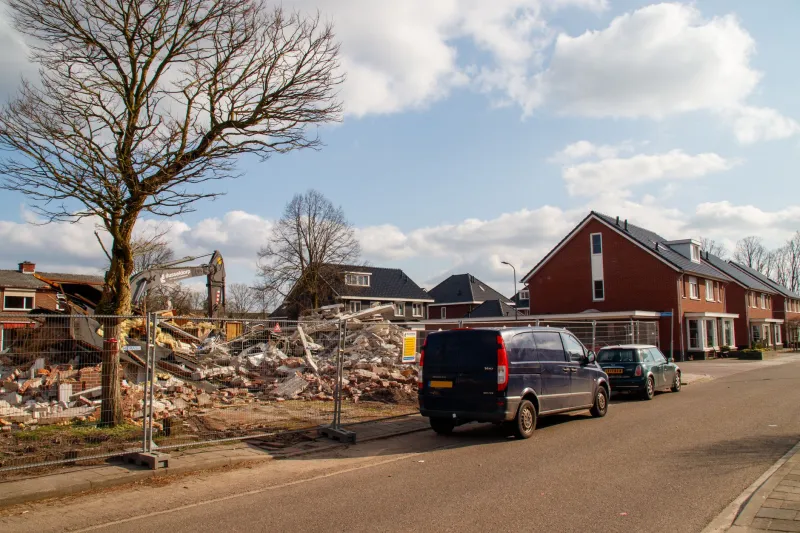
But neighborhoods are living, breathing entities that transform constantly. That quaint main street could become a six-lane highway. Those cozy single-family homes across the street? They might become a 40-unit apartment complex. The quiet residential feel you're paying a premium for could turn into urban density within five years.
The real story is that buyers are purchasing a moment in time, not a permanent lifestyle.
The Hidden Forces Reshaping Your Future Backyard
Zoning Changes: The Silent Neighborhood Killer
Zoning laws determine what can be built where, and they change more often than most people realize. That empty lot down the street zoned for single-family homes? A simple zoning variance could turn it into a gas station or strip mall.
Most buyers never check upcoming zoning hearings or proposed changes. These discussions happen in boring municipal meetings that few residents attend, but they're where your neighborhood's future gets decided.
Commercial Development: When Chain Stores Move In
Local businesses that give a neighborhood its character operate on thin margins. When rent increases or a big chain moves nearby, they often can't compete. That family-owned hardware store that made the area feel like a small town? It becomes a Starbucks or a cell phone store.
Commercial real estate moves in cycles, and what feels permanent today might be gone tomorrow. The landlords who own those charming storefronts aren't preserving neighborhood character—they're maximizing rent.
Infrastructure Projects: The Government Factor
City planners think in decades, not years. That quiet residential street you love might be earmarked for widening to handle increased traffic from a new development miles away. Or the city might decide your neighborhood needs better bus service, bringing noise and congestion you never anticipated.
These infrastructure changes often get planned years before they're implemented, but the information is buried in transportation studies and municipal planning documents that most buyers never see.
Demographic Shifts: When Your Neighbors Change
Neighborhoods have personalities partly because of who lives there. But demographic shifts can alter a community's entire vibe within a few years.
Gentrification works both ways. An up-and-coming area might price out the artists and young families who made it interesting in the first place. Or an established neighborhood might see an exodus of long-term residents, changing everything from local businesses to community events.
Age demographics matter too. A neighborhood full of families with young children feels different from one dominated by empty nesters or young professionals. As residents age or move away, the community character shifts with them.
The Tools Nobody Tells You About
The information about your neighborhood's future exists—it's just not packaged for home buyers.
Municipal Planning Departments: Most cities have master plans that outline development goals for the next 10-20 years. These documents spell out where new roads, commercial districts, and high-density housing are planned.
Zoning Meeting Minutes: City council and planning commission meetings are public record. Reading the last year of meeting minutes reveals what developers are proposing and what changes are under consideration.
Transportation Studies: State and local transportation departments conduct traffic studies that often recommend road improvements or new routes. These studies can predict which quiet streets will become busy thoroughfares.
Economic Development Offices: Cities actively court certain types of businesses and development. Their economic development plans show what industries and commercial projects they're trying to attract.
Why This Information Stays Hidden
Real estate agents focus on selling homes, not predicting neighborhood futures. They're not urban planners, and frankly, uncertainty doesn't help close deals.
Sellers have no incentive to share information about upcoming changes that might reduce their home's appeal. And buyers are often so focused on the house itself that they don't think to research long-term neighborhood trends.
The professionals involved in your home purchase—agents, lenders, inspectors—are all focused on the transaction, not your life five years from now.
The Real Cost of Neighborhood Change
When neighborhood character changes dramatically, it affects more than just your daily quality of life. Property values can shift unpredictably. A quiet residential street that becomes a cut-through route loses appeal for families. A walkable neighborhood that gets chain stores might lose the local charm that commanded premium prices.
You might find yourself wanting to move sooner than planned, facing transaction costs and potentially selling in a market where your home's original appeal no longer exists.
A Different Way to Buy
Smart buyers look beyond the current snapshot. They research not just what a neighborhood is, but what it's becoming. They attend a few city council meetings. They check municipal websites for planning documents. They talk to long-term residents about changes they've seen.
Most importantly, they factor neighborhood uncertainty into their decision-making. That perfect community might stay perfect—or it might not. The real story is that buying a home means placing a bet on a neighborhood's future, not just its present.
The question isn't whether your neighborhood will change—it's whether you're prepared for the changes that are already in motion.