That 'Cash Back at Closing' Deal Your Seller Offered Isn't Actually Free Money
That 'Cash Back at Closing' Deal Your Seller Offered Isn't Actually Free Money
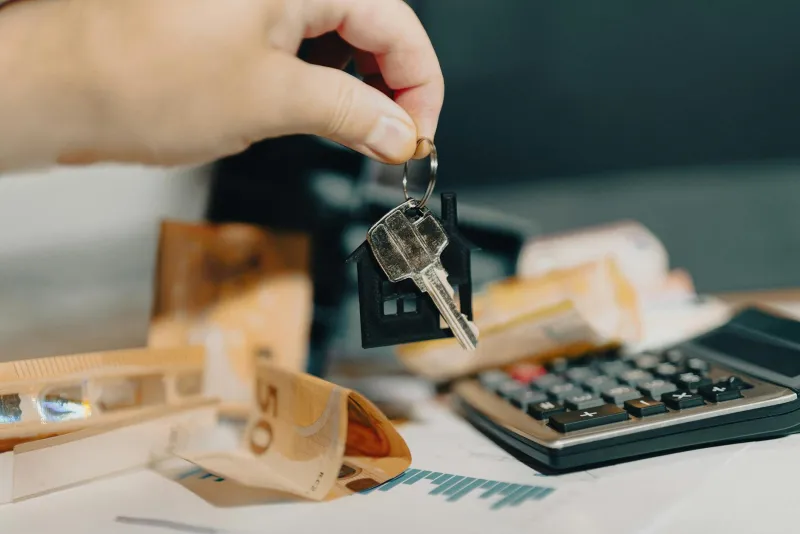
You've been house hunting for months when suddenly a seller makes an offer that sounds too good to pass up: they'll give you $10,000 cash back at closing. It feels like winning the lottery—extra money to cover moving expenses, immediate repairs, or just pad your savings account.
But here's what most buyers don't realize: cash back at closing isn't actually cash back. It's a financial arrangement that can quietly complicate your mortgage, affect your home's appraised value, and potentially create tax implications that nobody warned you about.
How Cash Back Really Works (And Why Lenders Care)
When a seller offers cash back, they're not writing you a personal check out of generosity. Instead, they typically increase the home's sale price by the cash-back amount, then "rebate" that money to you at closing. So a $400,000 house with $10,000 cash back becomes a $410,000 purchase where the seller credits you $10,000.
This matters because you're now financing that extra $10,000 through your mortgage. That "free" money gets rolled into a 30-year loan with interest, meaning you'll pay significantly more than $10,000 over the life of the mortgage. A $10,000 cash-back deal at today's rates could cost you over $18,000 in total payments.
Lenders also limit how much cash back they'll allow—typically 3-6% of the purchase price for conventional loans. Exceed these limits, and your loan could be rejected entirely.
The Appraisal Problem Nobody Mentions
Here's where cash-back deals get really complicated: the home still needs to appraise for the inflated purchase price. If you're buying that $400,000 house for $410,000 to get cash back, the appraiser needs to find $410,000 worth of value.
When appraisals come in low, buyers face an impossible choice. They can make up the difference in cash (defeating the purpose of getting cash back), renegotiate the deal, or walk away. Many buyers discover too late that the cash-back arrangement made their purchase dependent on an inflated appraisal.
Some sellers and agents try to work around this by providing "comparable sales" that support the higher price. But appraisers aren't obligated to accept these comparisons, especially if they seem designed to justify an artificial price increase.
Why the IRS Might Want Their Cut
The tax implications of cash-back deals depend on how they're structured, but the IRS doesn't always see them as simple purchase price adjustments. In some cases, cash back can be considered taxable income to the buyer.
This is particularly true when cash back exceeds typical seller concessions for closing costs and repairs. If you're getting cash back that you plan to use for non-home-related expenses, the IRS might view it as additional compensation that should be reported as income.
Most buyers never consult a tax professional about these arrangements, discovering the implications only when filing their returns the following year.
When Cash Back Actually Makes Sense
Cash-back deals aren't inherently bad, but they work best in specific situations. If you're genuinely short on cash for closing costs or immediate repairs, and the home appraises for the inflated price, the arrangement can provide needed liquidity.
They're also more defensible when the cash back covers legitimate home-related expenses like roof repairs, HVAC updates, or other improvements that justify the higher purchase price. In these cases, you're essentially financing necessary work through your mortgage rather than paying cash upfront.
The Real Winner in Cash-Back Deals
Interestingly, cash-back arrangements often benefit sellers more than buyers. Sellers get to close at a higher sales price, which looks better for neighborhood comparables and their own financial records. They also transfer the financing burden to the buyer while appearing generous.
Real estate agents benefit too, since their commissions are calculated on the higher purchase price. A $10,000 cash-back deal on a $400,000 house means commission calculated on $410,000 instead.
The Clear Story
Cash back at closing isn't free money—it's a financing arrangement that lets you borrow against your home's value before you even move in. While it can provide short-term liquidity, you'll pay interest on that money for decades, potentially face appraisal challenges, and might owe taxes on the benefit.
Before accepting any cash-back offer, calculate the true long-term cost, ensure the home will appraise for the inflated price, and consider whether you'd be better off negotiating a lower purchase price instead. Sometimes the best deal is the one that doesn't require creative financing to make it work.