You Can Inherit a 3% Mortgage Rate From a Stranger — Most Buyers Have No Idea This Is Possible
Photo: Department of Housing and Urban Development. Office of the Chief Human Capital Office. Office of Broadcasting Operations. Photo Section. (ca. 2011 - ca. 7/18/2014), Public domain, via Wikimedia Commons
Imagine buying a house in today's market and walking away with a 3.25% interest rate on your mortgage. Not because you have exceptional credit or a special lender relationship. Because the person who owned the house before you locked that rate in 2021, and you took over their loan.
This isn't a loophole or a gray area. It's a legitimate financing tool called an assumable mortgage, and it has the potential to save buyers tens of thousands of dollars over the life of a loan. So why haven't most homebuyers ever heard of it?
That's the more interesting question.
What an Assumable Mortgage Actually Is
When most people buy a home, they apply for a new mortgage. The lender evaluates them, sets a rate based on current market conditions, and issues a fresh loan. Whatever the seller's old mortgage looked like is irrelevant — it gets paid off at closing and disappears.
An assumable mortgage works differently. Instead of originating a new loan, the buyer takes over the seller's existing one — same balance, same interest rate, same remaining term. The seller is released from the debt, the buyer steps in, and the loan continues without being rewritten.
If the seller bought their home in 2020 or 2021 when 30-year fixed rates were hovering around 3%, and you assume that mortgage today when rates are sitting significantly higher, you're not just getting a good deal on a house. You're getting a rate that the current market simply won't offer you through any conventional channel.
Which Loans Can Actually Be Assumed
Here's the catch that explains part of why this tool stays under the radar: most conventional mortgages — the kind issued by private lenders and not backed by a government agency — include a "due-on-sale" clause. That clause means the full loan balance becomes due the moment the home changes hands, which effectively blocks assumption.
But three major loan types don't work that way:
FHA loans, backed by the Federal Housing Administration, are assumable. The buyer needs to qualify with the FHA lender, but the rate and terms transfer.
 Photo: Federal Housing Administration, via c8.alamy.com
VA loans, issued through the Department of Veterans Affairs, are also assumable — and this one surprises people because you don't need to be a veteran to assume a VA loan. Any qualified buyer can take over a veteran seller's VA mortgage. (Though the veteran's VA entitlement remains tied up until the loan is paid off, which is a complication sellers need to understand.)
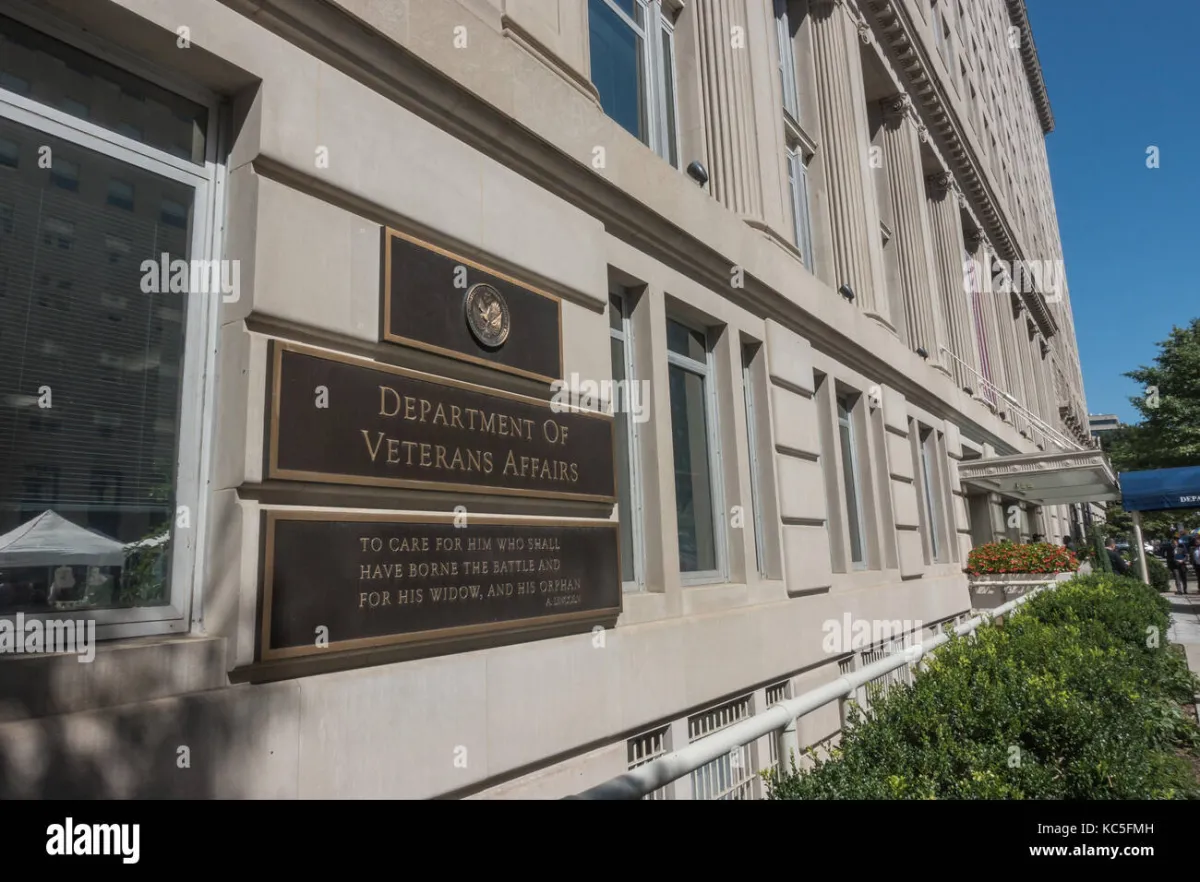 Photo: Department of Veterans Affairs, via c8.alamy.com
USDA loans, backed by the Department of Agriculture for rural and some suburban properties, are assumable as well, subject to lender approval.
 Photo: Department of Agriculture, via context.ph
According to data from the Federal Housing Finance Agency, FHA and VA loans together represent a meaningful slice of the mortgage market — and many of those loans were originated during the historically low-rate years of 2020 and 2021. That means there's a real inventory of assumable loans out there, attached to homes that are coming up for sale right now.
Why Nobody's Talking About This
If assumable mortgages are this valuable, why aren't buyers and agents pushing for them aggressively?
A few reasons, and they're worth understanding.
First, the real estate commission structure doesn't particularly reward complexity. An assumable mortgage transaction takes longer, involves more coordination with the original lender, and requires the buyer to navigate an approval process that most loan officers rarely handle. There's no extra commission in it for anyone, and there's significantly more paperwork. The path of least resistance — a new conventional loan with a familiar lender — gets taken almost every time.
Second, most buyers don't know to ask. If you've never heard the term "assumable mortgage," you're not going to walk into a showing and inquire about the seller's loan type. And most agents, even well-meaning ones, don't proactively surface this option unless they're specifically familiar with it.
Third, the lenders who service FHA and VA loans have historically been slow to process assumption requests. Some buyers have reported waiting three to six months for a lender to approve and complete an assumption — in a market where sellers often want to close in thirty days, that timeline mismatch kills deals.
The Practical Hurdles You'll Actually Face
Even when an assumable mortgage is on the table, the path isn't frictionless.
The most significant issue is the equity gap. If a seller bought their home for $280,000 in 2020 and it's now worth $420,000, their remaining loan balance might be around $240,000. You can assume that $240,000 loan — but you still owe the seller the $180,000 difference in equity. That gap has to come from somewhere: cash, a second mortgage, or a home equity loan. Bridging that gap can be complicated and expensive.
You'll also need to qualify with the original lender. Assuming a mortgage isn't automatic — the lender has to approve you based on your credit and income, just like a new loan origination. The difference is that the rate is already set.
Finally, finding assumable listings requires legwork. Most MLS systems don't have a reliable filter for assumable loans. You or your agent may need to manually identify FHA and VA listings, then contact sellers directly to ask about their loan details.
How to Actually Pursue One
If you're serious about exploring this option, start by focusing your search on FHA and VA listings — they'll say so in the listing details. Once you've identified a candidate, ask the seller's agent directly: Is the existing mortgage assumable, and what's the current rate and balance?
Work with a real estate attorney or a mortgage professional who has actual experience with loan assumptions — not just someone who knows what the word means. The process is manageable, but it rewards buyers who go in prepared.
The interest savings can be dramatic. On a $250,000 loan, the difference between a 3.25% rate and a 7% rate is roughly $700 per month. Over 25 remaining years, that's over $200,000 in total interest.
For a tool that's been sitting in plain sight the whole time, that's a number worth clearing up.