The Square Footage Number on That Listing Might Be Completely Made Up
When you search for homes online, square footage feels like one of the few objective pieces of information on the page. Unlike "cozy" or "move-in ready," a number is a number. Except in real estate, it really isn't.
The square footage printed on a listing can come from at least three completely different sources — and each one often produces a completely different result. The gap between those numbers can be hundreds of square feet. And because buyers routinely use square footage to calculate price-per-foot and compare properties, that inconsistency has real financial consequences.
Where That Number Actually Comes From
Most buyers assume the square footage on a listing was carefully measured by someone who knew what they were doing. Sometimes that's true. Often, it isn't.
There are three main sources for square footage in a typical real estate transaction:
The tax record. When a home is built or permitted, local assessors record its square footage. That number goes into the public record and gets pulled into real estate databases automatically. The problem? Assessors use their own measurement standards, which vary by county. Some include finished basements. Some don't. Some measure from the exterior walls. Some use interior dimensions. And many of those records haven't been updated in decades, even if the home was renovated or expanded.
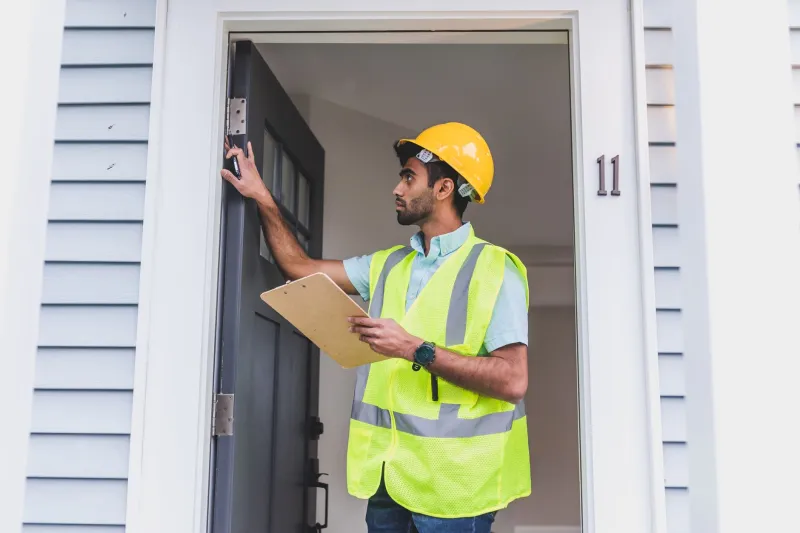
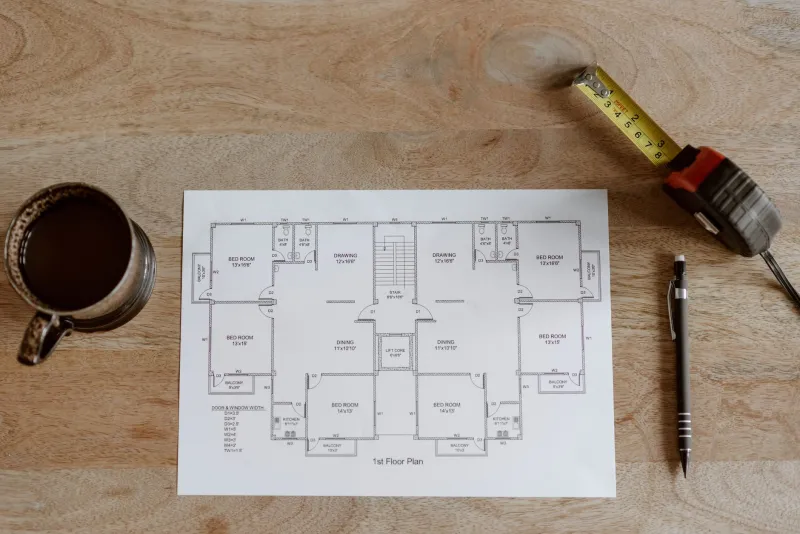
The listing agent's measurement. Many agents measure homes themselves or rely on the previous listing's figures. There's no federal standard requiring agents to use any particular method. Some use laser measuring tools. Some use a tape measure and eyeball corners. Some simply copy what the last agent listed. The National Association of Realtors recommends ANSI Z765 standards for measuring residential properties, but compliance is voluntary and far from universal.
The appraiser's measurement. When a buyer finances a home, the lender orders an appraisal. Appraisers are generally required to use ANSI standards, which means measuring from the exterior, excluding unfinished spaces, and only counting areas with ceiling heights above a certain threshold. By this standard, that finished basement your agent counted? Gone. That bonus room above the garage with the sloped ceiling? Partially gone.
Why the Numbers Diverge So Much
Let's say a seller bought a house fifteen years ago, finished the basement, and added a sunroom. The tax record still reflects the original footprint. The listing agent includes everything — basement, sunroom, the works — because it all feels like livable space. The appraiser comes in and strips out the basement because it's below grade and ANSI doesn't count it the same way.
Suddenly, the 2,400-square-foot home in the listing is a 1,850-square-foot home on the appraisal. The price per square foot you used to benchmark the offer? Completely different math now.
This happens constantly. A 2021 study by CoreLogic found measurable discrepancies between public record square footage and appraiser-measured square footage in a significant share of transactions. The variance wasn't always massive, but it was rarely zero.
Why Nobody Fixes This
You'd think an industry that moves trillions of dollars a year would have standardized something as basic as how to measure a room. The reason it hasn't comes down to a few uncomfortable realities.
First, bigger numbers sell. A listing that says 2,200 square feet gets more clicks than one that says 1,900 — even if the livable experience is identical. There's no enforcement mechanism that penalizes agents for inflating square footage, as long as the number isn't egregiously fraudulent.
Second, the definition of "livable space" is genuinely contested. Is a finished basement livable? Most people would say yes. Does a converted garage count? Depends on whether it has heat. What about a sunroom that's only usable eight months a year? These aren't trick questions — they're legitimately subjective, and different measurement standards answer them differently.
Third, most buyers never find out. The appraisal comes back, the lender approves the loan, and nobody sits the buyer down to explain that the home is technically 15 percent smaller than the listing suggested. The transaction closes. Life goes on.
What Buyers Should Actually Do
The practical move is to treat listed square footage as an estimate with a margin of error, not a guaranteed specification. Here's how to protect yourself:
Pull the tax record yourself. Most county assessor websites are public. Compare that number to the listing. A big gap is a flag worth asking about.
Ask the agent directly how the number was calculated. Did they measure it? Did they pull it from the previous listing? Was it professionally measured? The answer will tell you a lot.
Read the appraisal when it comes in. Your lender is required to give you a copy. The appraiser's square footage is usually the most standardized number in the transaction. If it's significantly lower than the listing, that's worth understanding before you close.
Don't use price-per-square-foot as your only comparison tool. It's useful, but only if the square footage numbers across comparable properties were all measured the same way — which they almost certainly weren't.
The Takeaway
Square footage sounds like a fact. In real estate, it's more like an opinion shaped by who measured it, when they measured it, and what counting method they used. The number on the listing is a starting point, not a guarantee. Knowing that going in won't make the house smaller — but it will make you a smarter buyer.