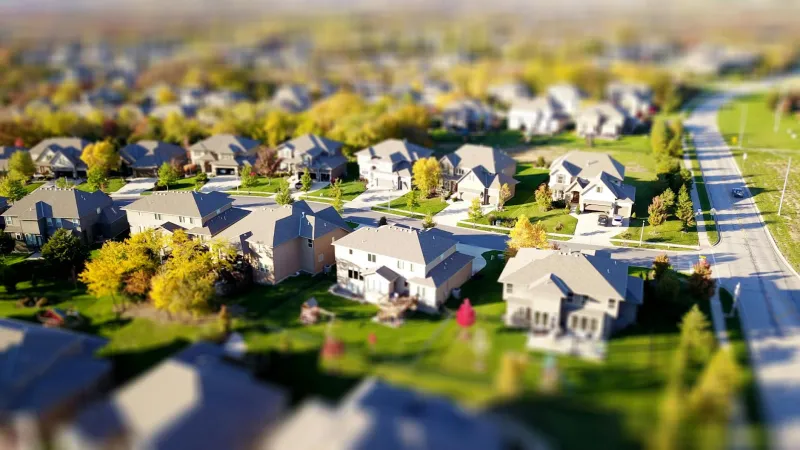
Walk through any American city and ask residents about the "good" neighborhoods, and you'll get remarkably consistent answers. Everyone seems to know which areas are safe, desirable, and worth the premium. But dig into how these reputations actually form, and you'll discover a system far more arbitrary than most people realize.
The Safety Myth That Sells Houses
Real estate agents regularly use phrases like "family-friendly neighborhood" and "low crime area" as selling points, and buyers accept these labels as objective facts. The assumption is simple: some neighborhoods are safer than others, and everyone knows which ones they are.
But neighborhood safety ratings aren't created by independent safety audits or comprehensive crime analysis. They're shaped by a complex mix of historical redlining practices, selective crime reporting, media coverage patterns, and real estate marketing strategies that have little to do with your actual risk of experiencing crime.
How Historical Redlining Still Shapes Today's "Good" Areas
Many neighborhoods labeled as "safe" today earned that reputation through practices that had nothing to do with crime prevention. Federal housing policies from the 1930s through 1960s systematically labeled certain areas as "hazardous" for investment — typically communities with Black and immigrant residents — while marking whiter, wealthier areas as "desirable."
These redlined maps didn't measure crime rates or safety infrastructure. They measured racial composition, property values, and perceived social status. Yet the neighborhoods that received "desirable" ratings decades ago are often the same ones marketed as "safe" today, creating a feedback loop that reinforces old biases under the guise of objective safety assessment.
The Crime Statistics Game
When people research neighborhood safety, they typically look at crime statistics. But these numbers tell a more complicated story than most realize.
Crime reporting varies dramatically between communities. Wealthier neighborhoods often have more active community watch groups, better relationships with police, and residents more likely to report minor incidents. This can actually make their crime statistics appear higher for certain categories, while underreporting in other areas creates an illusion of safety.
Meanwhile, the types of crimes that make headlines — random street violence, home invasions — are statistically rare everywhere. The crimes that actually affect most people's daily lives, like property damage, theft from vehicles, or domestic disputes, don't align neatly with neighborhood reputation.
Media Coverage Creates Perception
Local news coverage plays a huge role in shaping neighborhood reputations, but it doesn't reflect actual crime patterns. Media outlets tend to over-cover crimes in certain areas while under-covering similar incidents elsewhere, creating a distorted picture of where danger actually exists.
A single highly publicized incident can permanently damage a neighborhood's reputation, while similar crimes in "good" areas get less coverage and don't affect perception. This creates a cycle where some neighborhoods can't escape negative labels, regardless of actual improvement in safety conditions.
Real Estate Marketing Amplifies the Labels
Real estate professionals have strong incentives to reinforce existing neighborhood hierarchies. Properties in "good" areas command higher prices and commissions, so agents naturally emphasize safety and desirability in already-expensive neighborhoods.
But these marketing messages rarely include specific, verifiable safety data. Instead, they rely on coded language and assumptions that buyers bring to the table. Phrases like "tree-lined streets," "well-maintained homes," and "quiet residential area" signal safety without making any measurable claims about actual security.
What Actually Affects Your Safety
If neighborhood reputations aren't reliable indicators of safety, what should buyers actually consider?
Physical infrastructure matters more than reputation. Well-lit streets, maintained sidewalks, active businesses, and regular foot traffic create natural surveillance and community engagement that deter crime. These features exist across all types of neighborhoods, regardless of their labels.
Community connections provide better security than demographics. Neighborhoods where residents know each other, participate in local organizations, and maintain their properties tend to be safer — regardless of income levels or property values.
Proximity to resources affects daily safety more than crime statistics. Access to hospitals, fire stations, reliable public transportation, and well-funded schools creates infrastructure that supports community stability.
The Cost of Buying Into Labels
When buyers pay premiums for "safe" neighborhoods based on reputation alone, they often end up overpaying for perceived safety that may not exist. Meanwhile, they miss opportunities in neighborhoods that offer genuine community engagement and security infrastructure at lower price points.
More importantly, relying on these labels without investigation can leave buyers unprepared for the actual safety considerations that matter: understanding local emergency services, building relationships with neighbors, and assessing the physical environment around their specific property.
The Real Story Behind Neighborhood Safety
Neighborhood reputations for safety are cultural constructs shaped by historical policies, media coverage, and real estate marketing — not objective measures of risk. The "good" neighborhoods everyone talks about earned those labels through processes that had little to do with crime prevention or community safety.
Understanding this doesn't mean all neighborhoods are equally safe, but it does mean that reputation alone isn't a reliable guide. Buyers who look beyond labels to evaluate actual infrastructure, community engagement, and specific location factors are much more likely to find genuine safety and value.