The 'Rising Neighborhood' Promise That Real Estate Loves to Sell — But Rarely Delivers for Actual Buyers
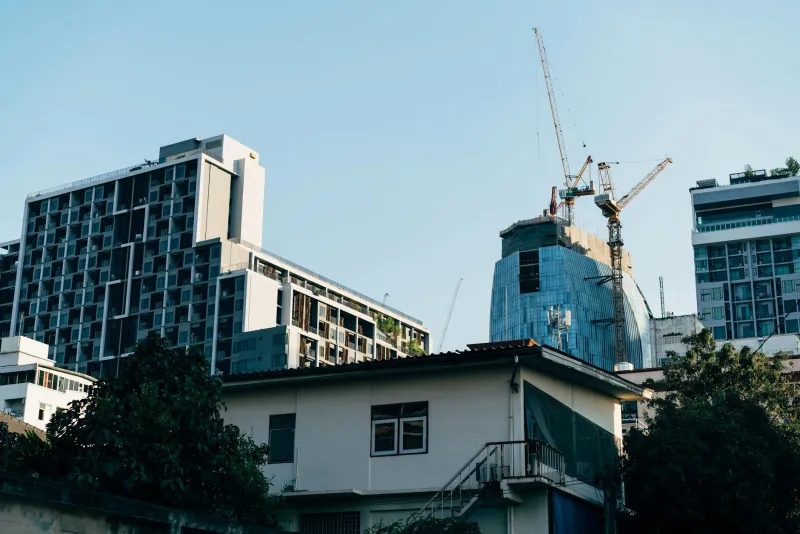
Walk through any city with a real estate agent, and you'll inevitably hear about neighborhoods that are 'about to turn around' or 'right on the edge of something big.' The language varies, but the promise stays the same: buy now, before everyone else figures it out, and ride the wave of appreciation that's supposedly just around the corner.
It's one of real estate's most seductive pitches. And for most buyers, it's also one of the most expensive myths they'll ever believe.
The Language That Creates False Urgency
The terminology around 'emerging' neighborhoods has become remarkably sophisticated. Agents don't just say a place is cheap anymore — they position it as 'undiscovered' or 'transitioning.' Listings mention new coffee shops, art galleries, or young professionals 'finding' the area. The subtext is clear: you're getting in early on something inevitable.
But here's what that language actually signals: you're being asked to absorb the risk while others position themselves to capture the reward.
Real neighborhood transformation follows predictable patterns, and the early individual buyers — the ones responding to 'up and coming' marketing — typically experience years of uncertainty, construction disruption, and property tax increases before any meaningful appreciation materializes. Meanwhile, developers and institutional investors who actually drive neighborhood change operate on entirely different timelines and profit margins.
Who Actually Benefits When Neighborhoods 'Turn'
The math of neighborhood transformation reveals an uncomfortable truth: the people who profit most from gentrification aren't the homeowners who bought into the early promise.
Developers purchase multiple properties or large parcels, often at below-market rates through direct negotiations or foreclosure auctions. They benefit from economies of scale, tax incentives for development, and the ability to influence zoning changes. When they build new construction or renovate multiple units simultaneously, they create the very transformation that validates higher prices.
Late-stage flippers enter after the heavy lifting is done, buying properties that have already appreciated but haven't yet reached peak market prices. They renovate quickly and sell into the established upward trend.
Early individual buyers, by contrast, often purchase the least desirable properties available — the ones priced for the current neighborhood reality, not the future promise. They absorb years of uncertainty while paying property taxes that increase based on projected rather than realized improvements.
The Hidden Costs of Betting on Potential
Buying into an 'emerging' neighborhood means signing up for expenses that established areas don't impose. Property taxes often rise faster than property values, especially in cities that reassess based on neighborhood development plans rather than actual sales comps.
Insurance costs can fluctuate unpredictably as insurers adjust their risk models for changing neighborhoods. Areas undergoing transition often experience higher crime rates during the transformation period, affecting both safety and insurance premiums.
Maintenance costs spike when you're surrounded by properties in various states of renovation or abandonment. Your well-maintained home becomes a target for vandalism or break-ins simply because it stands out.
Most significantly, liquidity becomes a problem. If your life circumstances change and you need to sell during the transformation period, you'll likely face a limited buyer pool willing to bet on the same potential you bought into.
Why the Timing Almost Never Works Out
Real estate agents present neighborhood change as inevitable and imminent, but actual transformation typically unfolds over decades, not years. The coffee shop that signals 'arrival' might close within two years. The young professionals 'discovering' the area might move to suburbs when they start families.
Even successful neighborhood transformations rarely follow the timeline that early buyers expect. The areas of Brooklyn that are now considered prime real estate took 15-20 years to fully transition, with significant ups and downs along the way. Early buyers in many of those neighborhoods experienced flat or declining values for years before any meaningful appreciation occurred.
The neighborhoods that agents described as 'up and coming' in 2005 include many areas that still haven't 'come up' nearly two decades later.
What 'Up and Coming' Actually Means
When agents describe a neighborhood as emerging, they're usually identifying an area where current property values don't reflect the prices in surrounding neighborhoods. But that gap exists for reasons that marketing language glosses over.
Maybe the area lacks reliable public transportation. Maybe local schools are underperforming. Maybe environmental concerns or industrial activity make it less desirable for families. Maybe previous attempts at development failed, leaving behind abandoned projects.
The gap between current prices and surrounding area prices isn't necessarily temporary. It might reflect permanent characteristics that limit the neighborhood's appeal.
The Real Story Behind Neighborhood Marketing
Successful real estate professionals understand that individual buyers rarely drive neighborhood change — they respond to it. The agents pushing 'up and coming' narratives are often working with developers or investors who need individual buyers to absorb risk while larger players position themselves strategically.
This doesn't make agents dishonest, but it does mean their incentives don't necessarily align with yours. They benefit from transactions regardless of long-term outcomes. You benefit only if the transformation actually happens on a timeline that works with your financial goals.
Making Smarter Decisions About 'Potential'
If you're considering a property in an area described as transitioning, focus on what exists today rather than what might exist tomorrow. Can you afford the monthly payments if property values stay flat for five years? Are you comfortable with the current schools, transportation, and amenities?
Look for concrete evidence of investment rather than speculation. Are major employers moving to the area? Has the city committed funding to infrastructure improvements? Are established businesses expanding their presence?
Most importantly, remember that you're buying a home, not making a real estate investment. The best neighborhood transformation in the world won't help you if you can't afford to stay long enough to benefit from it.
The 'up and coming' promise sounds exciting, but the real story is usually much more complicated — and expensive — than the marketing suggests.