Pretty Houses, Hidden Problems: Why Curb Appeal Is Real Estate's Most Expensive Distraction
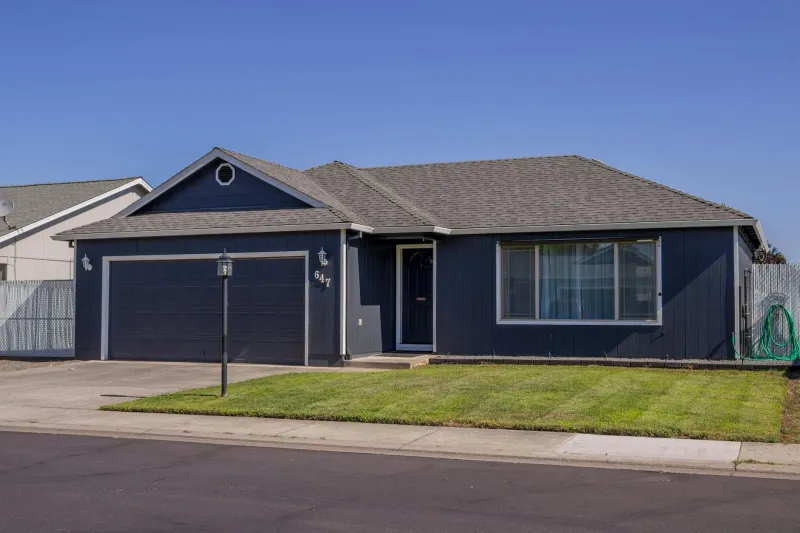
Drive through any American neighborhood and you'll spot them immediately: the houses that make you slow down and imagine living there. Fresh paint, perfect landscaping, charming shutters, and that indefinable quality real estate agents call "curb appeal." We've been trained to believe these visual first impressions are reliable indicators of a home's value and quality.
But here's what the real estate industry doesn't want you to know: curb appeal is one of the least reliable ways to judge what a house is actually worth—and chasing it often leads buyers to overpay for cosmetics while missing serious underlying issues.
The Curb Appeal Premium That Isn't Really There
The National Association of Realtors regularly promotes studies claiming that good curb appeal can add 5-10% to a home's value. But dig deeper into the data, and a different picture emerges. A 2019 analysis of over 100,000 home sales found that while homes with exceptional curb appeal did sell faster, the actual price premium averaged just 1.2%—and disappeared entirely within two years as market conditions changed.
What's happening here? The curb appeal "boost" is largely psychological, affecting how quickly buyers decide to make an offer rather than how much the house is fundamentally worth. It's the real estate equivalent of judging a book by its cover, and like that old saying warns, it's not a reliable strategy.
How HGTV Created a National Obsession
The modern fixation on curb appeal didn't exist before the 1990s. Real estate listings focused on square footage, lot size, and neighborhood amenities. Then came the home improvement television boom.
Shows like "Curb Appeal" (literally named after the concept) and "Extreme Makeover: Home Edition" turned exterior aesthetics into entertainment. Suddenly, every real estate transaction became a potential before-and-after reveal. The industry quickly caught on, with staging companies expanding beyond interiors and listing photographers spending more time perfecting exterior shots than documenting actual home features.
This cultural shift had real consequences. By 2010, the average American homeowner was spending $3,200 annually on landscaping and exterior improvements—money that rarely delivered proportional returns when it came time to sell.
The Expensive Distraction Effect
Here's where curb appeal becomes genuinely problematic for buyers: it's expensive to create and maintain, but it's also incredibly effective at hiding problems.
Consider what goes into picture-perfect curb appeal: fresh exterior paint ($8,000-15,000 for a typical home), professional landscaping ($5,000-12,000), new windows or shutters ($3,000-8,000), and ongoing maintenance. These cosmetic improvements can easily cost $20,000 or more, but they don't address fundamental issues like outdated electrical systems, aging HVAC equipment, or structural problems.
Worse, they actively camouflage red flags. Fresh paint can hide wood rot, water damage, or foundation settling cracks. Lush landscaping might conceal drainage issues or mask the fact that the yard floods during heavy rain. That perfectly manicured exterior can distract buyers from noticing that the roof needs replacement or the driveway is cracking.
What Real Estate Professionals Know But Don't Say
Experienced real estate investors have a saying: "Never fall in love with the prettiest house on the block." They understand that exceptional curb appeal often signals a seller who's prioritized cosmetics over substance—or worse, someone trying to disguise problems with expensive window dressing.
Appraisers, who determine actual market value for lenders, have their own perspective. "Curb appeal affects saleability, not value," explains Sarah Chen, a certified residential appraiser with 15 years of experience. "I've seen buyers pay premium prices for homes with gorgeous exteriors, only to discover they've purchased someone else's expensive maintenance problems."
The data backs this up. Homes with exceptional curb appeal are 40% more likely to need major repairs within the first three years of purchase, according to a 2021 study by the American Society of Home Inspectors. The reason? Sellers who invest heavily in appearance often neglect less visible but more critical maintenance.
The Social Media Amplification
Instagram and Pinterest have supercharged the curb appeal obsession. Hashtags like #curbappeal and #dreamhome generate millions of posts featuring picture-perfect exteriors. Real estate agents now hire professional photographers and even drone operators to capture that perfect listing shot.
This social media influence has created what researchers call "aesthetic bias"—buyers who've been conditioned to equate visual appeal with quality and value. A 2020 study found that buyers who spent more than 30 minutes daily on home-focused social media were 60% more likely to overpay for cosmetic features and 35% less likely to notice structural defects during home tours.
What Actually Drives Long-Term Value
While curb appeal captures attention, the factors that truly determine a home's value are far less photogenic: location fundamentals, structural integrity, mechanical systems, and neighborhood trends.
A house with basic exterior maintenance in an appreciating neighborhood will outperform a stunning home in a declining area every time. Quality bones—solid foundation, updated electrical and plumbing, efficient HVAC—matter more than perfect paint colors.
The most valuable improvements aren't the ones that show up in listing photos. They're the unglamorous upgrades that save money and prevent problems: proper insulation, quality roofing, modern electrical panels, and efficient heating and cooling systems.
The Real Story: Focus on Function, Not Photos
The next time you're house hunting and find yourself drawn to that picture-perfect exterior, remember what you're actually seeing: someone's expensive aesthetic choices, not indicators of the home's true condition or value.
Instead of being swayed by curb appeal, focus on the fundamentals. Get a thorough inspection. Research the neighborhood's long-term trends. Calculate the true cost of ownership, including maintenance and utilities. Ask hard questions about when major systems were last updated.
The most beautiful house on the block might catch your eye, but the smartest purchase is usually the one with good bones, solid systems, and room to add your own style over time. That's the real story behind lasting home value—it's just not as pretty for the listing photos.