That Perfect Open House Experience? It's Theater, Not Real Estate
Walk into any weekend open house and you'll notice the same details: fresh flowers on the kitchen counter, vanilla candles burning in the living room, classical music playing softly in the background. The staging feels natural, almost accidental—like you've stumbled into someone's beautifully curated daily life.
But nothing about that experience is accidental. What feels like a casual home tour is actually one of the most psychologically engineered moments in the entire real estate process.
The Science Behind the Staging
Real estate agents don't arrange fresh-baked cookies and soft lighting because they're being hospitable. They do it because decades of consumer psychology research have proven these sensory triggers work.
The smell of baking bread activates the brain's limbic system—the same region that processes emotions and memories. Warm lighting makes spaces feel larger and more inviting. Fresh flowers suggest care and attention to detail. Even the temperature is carefully controlled, typically set 2-3 degrees warmer than normal to create a sense of comfort and relaxation.
These aren't random touches of hospitality. They're calculated emotional manipulations designed to bypass your analytical brain and trigger an immediate emotional response.
Why Open Houses Benefit Everyone But Buyers
The traditional explanation for open houses is practical: they let potential buyers efficiently tour multiple properties and get a feel for neighborhoods. But the real beneficiaries of the open house format aren't buyers—they're listing agents.
For agents, open houses serve multiple purposes that have nothing to do with selling the specific property being shown. They generate new buyer leads, build neighborhood relationships, and create opportunities to meet potential future clients. Studies show that fewer than 2% of homes actually sell to someone who first discovered them at an open house.
For sellers, open houses create urgency and competition. When buyers see other people touring the same property, they feel pressure to act quickly. The casual, drop-in format makes the process feel less formal and more competitive—like you're shopping for a limited-edition item rather than making a major financial decision.
The Psychology of Quick Decisions
Open houses are deliberately designed to encourage fast decision-making. The casual format, the presence of other potential buyers, and the sensory staging all work together to create an environment where buyers feel pressure to form immediate opinions.
This works against careful evaluation. Research in behavioral economics shows that people make less rational financial decisions when they're in emotionally charged environments. The combination of time pressure, sensory manipulation, and social dynamics makes open houses particularly effective at generating emotional responses—and particularly poor environments for objective analysis.
Buyers often leave open houses with strong feelings about a property, but those feelings are based more on the staged experience than on the actual merits of the house as a long-term investment.
What You're Not Seeing
The perfectly curated open house experience obscures practical realities that matter more than ambient lighting. You're seeing rooms at their absolute best, but you're not getting information about utility costs, maintenance requirements, or neighborhood noise levels at different times of day.
The staging also masks potential problems. Fresh paint might cover wall damage. Strategic furniture placement might hide awkward room layouts. Pleasant scents might mask odors from pets, smoking, or mold. The goal is to create an emotional connection that overrides practical concerns.
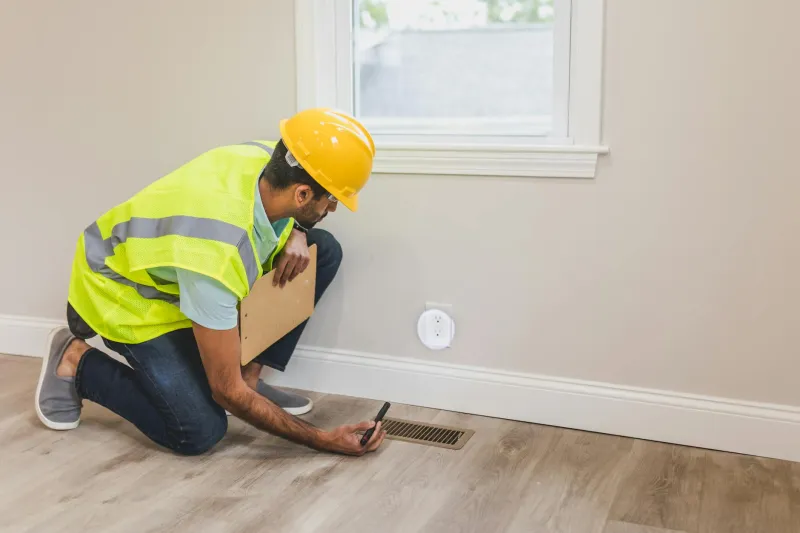
Most importantly, the open house format doesn't give you time for the kind of detailed inspection that major purchases require. You're encouraged to form quick impressions, not to ask detailed questions about the property's history, condition, or potential issues.
The Real Alternative
Private showings with your own agent provide a completely different experience. Without the theatrical staging and time pressure, you can spend as long as you need examining the property. You can ask detailed questions, take measurements, and revisit rooms multiple times. Your agent can point out potential concerns rather than highlighting emotional selling points.
Private showings also let you see the property in its normal state, without the sensory manipulation that characterizes open houses. You'll get a more accurate sense of how the space actually feels when it's not being actively marketed to your emotions.
The Takeaway
Open houses aren't neutral viewing opportunities—they're carefully orchestrated sales presentations designed to generate emotional responses. The warm cookies, perfect lighting, and ambient music aren't accidents; they're psychological tools that benefit agents and sellers far more than buyers.
If you do attend open houses, treat them as initial reconnaissance rather than serious evaluation. Save your detailed analysis for private showings where you can think clearly without the pressure of staging, crowds, and manufactured urgency. The goal is to buy a home that works for your life, not to fall in love with a performance.