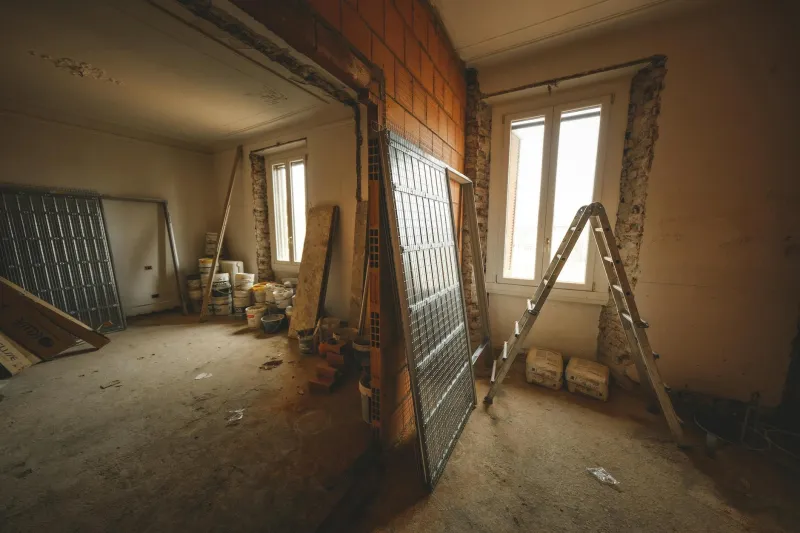
Every weekend, millions of Americans tune in to watch ordinary families transform disaster houses into dream homes in under an hour. The formula is intoxicating: buy low, renovate smart, live happily ever after. But there's a reason these shows have spawned an entire generation of would-be house flippers who end up drowning in debt and regret.
The Television Magic That Isn't Magic at All
Home renovation shows operate on a fundamentally dishonest premise. They compress months of work into digestible episodes, glossing over the bureaucratic nightmares, contractor delays, and budget explosions that define real renovation projects. When Chip and Joanna reveal that stunning kitchen transformation, they're not mentioning the three-month permit delay or the $15,000 in unexpected electrical work that happened off-camera.
 Photo: Chip and Joanna, via entertainmentnow.com
The shows also benefit from wholesale pricing, professional crews working at TV-friendly speeds, and sponsors providing materials at deep discounts. None of these advantages exist for regular homeowners, who pay retail prices and work around contractors' actual schedules.
The Hidden Costs Nobody Talks About
Real renovation projects routinely exceed their budgets by 20-50%, and that's when everything goes according to plan. Open up walls in an older home, and you're likely to discover outdated wiring, questionable plumbing, or structural issues that weren't visible during your initial inspection.
Permits alone can derail a timeline and budget. What looks like a simple kitchen renovation on TV might require electrical upgrades, plumbing rerouting, and structural modifications — each requiring separate permits and inspections. In major metropolitan areas, permit approval can take months, not the convenient weekend timeline television suggests.
Then there's the cost of living elsewhere during major renovations. Television families somehow continue their daily routines while their kitchen is torn apart, but real families often need temporary housing, restaurant meals, and storage for displaced belongings.
The Emotional Toll They Never Show
Renovation shows edit out the stress, arguments, and relationship strain that major home projects inevitably create. Living through a gut renovation while managing contractors, dealing with delays, and watching costs spiral upward is genuinely traumatic for many families.
Contractor reliability varies wildly in real life. The skilled, punctual crews featured on television don't represent the broader market, where finding reliable professionals at reasonable rates can take months of research and referrals.
Why the Fantasy Persists
The renovation show format is designed to sell dreams, not provide realistic financial guidance. Networks profit from advertising and product placement, not from helping viewers make sound investment decisions. The shows need success stories, so they carefully select projects, participants, and circumstances that maximize the likelihood of positive outcomes.
Social media compounds the problem. People share their renovation victories but rarely document their disasters. Instagram feeds full of perfectly staged "before and after" photos reinforce the television narrative that renovation projects reliably deliver both financial returns and lifestyle improvements.
The Math That Doesn't Add Up
Most fixer-upper buyers discover too late that their renovation costs plus purchase price often exceed the finished home's market value. Even when they break even on paper, they rarely account for the opportunity cost of their time, the carrying costs during renovation, or the premium they'd need to justify the risk and effort involved.
Professional house flippers succeed because they have established contractor relationships, wholesale material access, and the expertise to accurately estimate costs upfront. They also typically target specific neighborhoods where they understand market dynamics and buyer preferences.
What They Should Tell You Instead
If renovation television were honest, every episode would include a financial advisor explaining opportunity costs and a therapist discussing the psychological impact of major home construction projects. They'd show the permits office, the three-month delay when the contractor takes another job, and the moment when homeowners realize their dream kitchen will cost twice the original estimate.
The real story isn't that renovation projects never work out — it's that they work out far less frequently than television suggests, and when they do succeed, it's usually because the homeowners had significantly more money, time, and expertise than the average viewer.
The Bottom Line
Home renovation shows have created a generation of Americans who believe that buying the worst house in the best neighborhood and fixing it up is a reliable wealth-building strategy. The reality is that most amateur renovators would have been better off buying a home that didn't need major work and investing their renovation budget in index funds.
The cameras stop rolling before the real story unfolds — which is usually a tale of budget overruns, timeline delays, and the hard-learned lesson that television entertainment and sound financial planning are two very different things.