The Home Inspection Report You Paid For Is Actually Written to Protect the Inspector
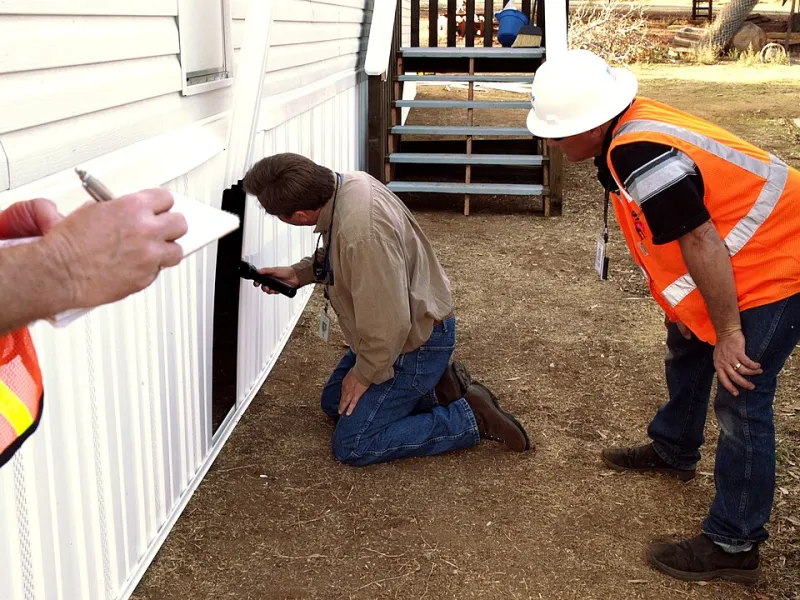
Photo: Amanda Bicknell, Public domain, via Wikimedia Commons
There's a moment in almost every home purchase where the buyer exhales. The inspection is done, the report is in, and nothing catastrophic showed up. The deal moves forward. The keys change hands.
Then, six months later, the basement floods. Or the HVAC system dies. Or the electrical panel that passed inspection turns out to be a fire hazard that any licensed electrician would have flagged immediately.
So what happened? You paid for an inspection. Didn't someone check?
They did — just not in the way you probably assumed.
What a Home Inspection Actually Is
A home inspection is a visual, non-invasive walkthrough of a property's accessible systems and components. That phrase — visual and non-invasive — is doing a lot of work, and it's worth slowing down on.
Inspectors look at what they can see. They don't move furniture. They don't pull up flooring. They don't dig into walls. They're not required to climb into tight crawl spaces if those spaces are deemed unsafe or inaccessible. They can flag a stain on the ceiling as a potential moisture issue, but they can't open the ceiling to find out where it came from.
The standards of practice that govern most inspectors — primarily set by organizations like the American Society of Home Inspectors (ASHI) and InterNACHI — are explicit about these limitations. Inspectors are trained to identify visible defects, not to diagnose problems that require invasive testing, specialized equipment, or licensed trade expertise.
In other words, the inspection is a surface read. A well-trained eye looking at what's available to see.
The Report Is a Legal Document First
Here's where buyers often get tripped up: the inspection report you receive isn't primarily a consumer protection document. It's a liability management document.
Every inspector operates under an agreement that limits their financial exposure — usually to the cost of the inspection itself, which typically runs between $300 and $600. If they miss something that costs you $40,000 to fix, your legal recourse is often limited to getting your inspection fee refunded.
The language in these reports reflects that reality. You'll see phrases like appeared functional at the time of inspection, recommend further evaluation by a licensed specialist, and unable to determine condition of — constantly. These aren't just hedge words. They're structural features of the document, designed to make clear that the inspector observed, not guaranteed.
This isn't a criticism of individual inspectors, many of whom are genuinely skilled and thorough. It's a description of the system they operate inside.
What Gets Skipped — And Why
Beyond the physical limitations, there are entire categories of home systems that a general inspection either skips entirely or only grazes.
Roofs are a good example. Inspectors may walk a roof if it's safely accessible, but many simply observe from the ground with binoculars or from the edge of a ladder. A failing roof underlayment or early-stage deck rot might be completely invisible from that vantage point.
Electrical systems get a visual check — panels are opened, a sample of outlets are tested — but inspectors aren't licensed electricians. An inspector can note that a breaker looks double-tapped, but they're not going to trace wiring through walls or identify code violations that don't show on the surface.
HVAC systems are tested for basic operation — does it turn on, does air come out — but not load-tested or evaluated for remaining useful life with any precision. An inspector might note that a unit is older and recommend evaluation, but that's a very different thing from telling you the system has 18 months left.
Sewer lines aren't part of a standard inspection at all. Neither are underground oil tanks, Chinese drywall, most mold situations, or the condition of pipes inside walls. These require separate, specialized inspections — which buyers often don't know to order because nobody told them the general inspection doesn't cover it.
Why the Misconception Persists
Part of this is marketing. The word inspection implies thoroughness. It sounds official and complete. Buyers hear it and imagine something closer to a forensic audit of the property.
Part of it is incentive alignment. Agents want deals to close. Inspectors want repeat referrals. There's no structural incentive for anyone in the transaction to enthusiastically explain to the buyer that the inspection they just paid for has significant limitations.
And part of it is that most inspections don't result in major surprises — which reinforces the perception that the system works, right up until it doesn't.
What You Should Actually Do
None of this means home inspections are worthless. A good inspector will catch real problems — and the peace of mind from a clean report on visible systems has genuine value. But treating the inspection as a comprehensive certification of the home's condition is a mistake.
If you're buying a house, consider:
- Ordering a sewer scope separately. A camera inspection of the sewer line runs $100–$300 and can save you from a $10,000 surprise.
- Attending the inspection in person. Ask questions. A good inspector will explain what they're seeing and what they're not able to evaluate.
- Reading the pre-inspection agreement carefully. Understand what you're signing before the inspector starts.
- Taking specialist recommendations seriously. When a report says recommend further evaluation, that's not boilerplate. That's often the inspector telling you something looks off but they can't tell you how off.
The inspection is a starting point, not a finish line. The report you get at the end isn't a warranty. It's a snapshot — with a lot of fine print.
The real story: Home inspections are genuinely useful tools, but they're constrained by design. Knowing those constraints before closing is the only way to use the inspection for what it actually is — rather than what you assumed it was.