The 'Good Bones' Myth: Why That Phrase From Your Real Estate Agent Might Be Costing You a Fortune
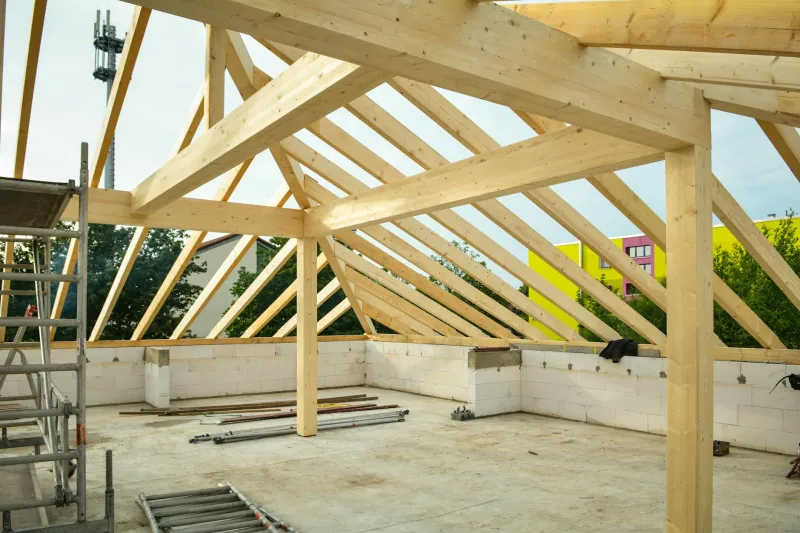
You've heard it countless times on house-hunting shows and from real estate agents: "This place has good bones." The phrase rolls off tongues so naturally that it feels like established real estate wisdom. But here's what most buyers don't realize—"good bones" isn't a technical term with any standardized meaning, and it's often used to paper over serious (and expensive) problems that could drain your renovation budget.
What 'Good Bones' Actually Means
In construction and architecture, "good bones" traditionally referred to a building's fundamental structural elements—the foundation, load-bearing walls, roof structure, and basic framework. If these core components were sound, the theory went, everything else could be updated or replaced without major structural work.
This made sense when most American homes were built with similar materials and methods. A 1920s Craftsman bungalow with solid foundation walls, intact floor joists, and a structurally sound roof frame genuinely had "good bones" that could support decades of updates and renovations.
How the Phrase Became a Sales Tool
Somewhere along the way, "good bones" evolved from a specific construction assessment into a catch-all reassurance. Real estate agents began using it to describe any older property with potential, regardless of its actual structural condition. The phrase became shorthand for "ignore what you see now and imagine what this could become."
This shift happened partly because "good bones" sounds both professional and optimistic. It implies that someone with expertise has evaluated the property's fundamentals and found them solid. For buyers feeling overwhelmed by a fixer-upper's obvious problems—outdated kitchens, worn carpets, peeling paint—hearing "good bones" provides emotional comfort and permission to envision the home's potential.
The Problem with Vague Reassurances
The issue is that "good bones" has become so broadly applied that it's essentially meaningless. Agents use it to describe everything from structurally sound vintage homes to properties with foundation issues, outdated electrical systems, and plumbing that hasn't been updated since the Eisenhower administration.
Consider what actually constitutes a home's "bones" in 2024:
- Foundation and structural integrity: Are there cracks, settling issues, or water damage?
- Electrical systems: Is the wiring up to code and sufficient for modern needs?
- Plumbing: Are the main lines, fixtures, and water pressure adequate?
- HVAC systems: Do heating and cooling systems function properly and efficiently?
- Roof structure and condition: Is the roof frame sound and the covering watertight?
A property could have excellent floor plans and attractive architectural details while hiding tens of thousands of dollars in necessary updates to these core systems. Yet agents routinely describe such homes as having "good bones."
What Inspectors Actually Find
Professional home inspectors see the disconnect between "good bones" marketing and reality every day. Properties sold as having "great potential" and "solid bones" frequently reveal:
- Electrical panels that need complete replacement ($2,000-$4,000)
- Plumbing systems requiring extensive updates ($8,000-$15,000)
- HVAC systems that are inefficient or non-functional ($5,000-$12,000)
- Foundation issues requiring professional remediation ($3,000-$25,000)
- Roof problems that go beyond simple re-shingling ($8,000-$20,000)
These aren't cosmetic issues that can be addressed with sweat equity and weekend projects. They're fundamental systems that require professional work and significant investment.
Why the Myth Persists
The "good bones" narrative persists because it serves everyone's immediate interests. Sellers want to position their outdated property as a diamond in the rough. Agents want to help buyers see past obvious problems to close deals. Buyers want to believe they've found a bargain that just needs some TLC.
Flip-and-flip TV shows have reinforced this mythology by making major renovations look straightforward and affordable. Viewers see dramatic transformations completed in 30-minute episodes, with budgets that rarely account for the hidden problems that real renovations uncover.
What to Ask Instead
Rather than accepting "good bones" as meaningful information, ask specific questions:
- When were the major systems (electrical, plumbing, HVAC) last updated?
- Are there any known foundation or structural issues?
- What does the seller's disclosure reveal about past problems?
- Can you provide documentation of recent professional inspections?
- What renovation permits have been pulled for this property?
The Real Story
A truly well-structured home with updated core systems doesn't need the "good bones" sales pitch—its condition speaks for itself. When agents rely on this phrase, it's often because the property's actual structural and mechanical condition requires significant investment that hasn't been clearly communicated.
"Good bones" became popular because it sounds more appealing than "this house needs $40,000 in immediate repairs to be safely habitable." But for buyers, understanding the difference between marketing language and construction reality can mean the difference between a successful renovation and a financial disaster.
The next time you hear "good bones," remember that bones are only as good as the inspection reports that verify them. Skip the metaphors and demand the specifics—your renovation budget will thank you.