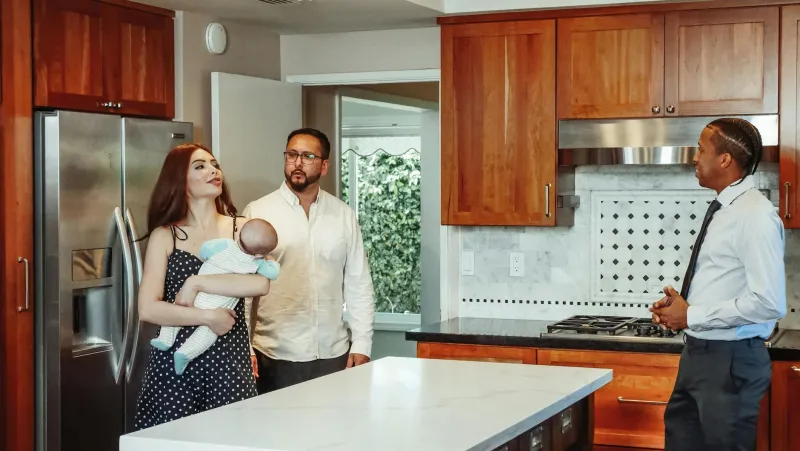
Walk into any real estate office, flip through a home magazine, or scroll through Zillow, and you'll encounter the same seductive promise: find your "forever home." It's the house where you'll raise your children, host decades of holidays, and eventually retire in peaceful contentment.
There's just one problem with this romantic vision—it's largely a marketing invention that's costing buyers tens of thousands of dollars they don't need to spend.
The Numbers Don't Support the Dream
Despite the forever home mythology, Americans move far more frequently than the fantasy suggests. According to the U.S. Census Bureau, the average person moves 11 times in their lifetime, with homeowners relocating every 9-13 years depending on their age and circumstances.
 Photo: U.S. Census Bureau, via i0.wp.com
Even among families who seem most likely to stay put—those with school-age children—the reality is more fluid than the marketing materials suggest. Job changes, family size shifts, aging parents, and changing financial circumstances all disrupt the best-laid forever plans.
Yet buyers continue shopping as if they're making a permanent decision, stretching budgets to afford features they believe they'll need "someday" rather than focusing on what actually serves their current life.
How Marketing Created the Forever Myth
The forever home concept gained traction in the 1990s and 2000s, coinciding with the rise of lifestyle media and aspirational home shows. HGTV programming, real estate magazines, and developer marketing all promoted the idea that a home should accommodate every possible future scenario.
This messaging served multiple industries well. Builders could justify larger, more expensive homes with specialized rooms. Mortgage companies could push buyers toward higher loan amounts. Real estate agents could position themselves as life coaches rather than transaction facilitators.
The financial crisis of 2008 briefly interrupted this narrative, but it quickly resurged as markets recovered. Today's buyers are more likely than ever to hear about "growing into" a house rather than buying what fits their actual needs.
The Hidden Costs of Future-Proofing
Chasing the forever home leads to predictable financial mistakes. Buyers routinely overspend on:
Extra bedrooms they hope to fill someday, adding $30,000-50,000 to purchase prices in most markets. Many of these rooms become storage spaces or unused guest rooms.
Formal dining rooms for entertaining they imagine doing but rarely actually host. These spaces often become homework stations or home offices—functions a kitchen table serves equally well.
Oversized lots that seem perfect for future landscaping projects but require immediate maintenance costs and higher property taxes whether you use the space or not.
Premium school districts for children who may not materialize, change schools, or attend private institutions anyway.
Each of these "just in case" features carries ongoing costs—higher utilities, maintenance, insurance, and property taxes—that compound over the years you actually live in the home.
The Mobility Reality Check
Life has become more mobile, not less. Remote work arrangements mean career opportunities aren't geographically limited. Aging parents increasingly require adult children to relocate for caregiving. Economic opportunities shift between cities and regions more rapidly than previous generations experienced.
Yet buyers continue making housing decisions based on the assumption that their current job, family situation, and preferences will remain static for decades. This mismatch between planning horizon and reality creates expensive regrets.
What Smart Buyers Do Instead
Successful home buyers focus on their actual current needs plus a reasonable buffer for predictable changes in the next 5-7 years. They ask different questions:
- What do we need now?
- What changes are likely in the next five years?
- What's the minimum space that would work, not the maximum we could afford?
- How would we feel about this purchase if we had to sell in three years?
This approach typically leads to buying less house for less money, leaving financial flexibility for actual life changes rather than imagined ones.
The Real Forever Strategy
If you want to build long-term wealth through real estate, the forever home approach actually works against you. Buying conservatively, building equity steadily, and upgrading strategically as your actual circumstances change typically generates better financial outcomes than stretching for the dream house upfront.
The most successful real estate investors understand something forever home buyers miss: houses are financial tools, not lifestyle statements. The best home is one that serves your current needs efficiently while preserving your ability to adapt when life inevitably changes direction.
The forever home isn't a destination—it's a marketing mirage that keeps buyers spending money they don't have on features they don't need. Your actual forever strategy should be staying financially flexible enough to make smart moves when your real life unfolds.