Walk into any real estate agent's office, and they'll tell you the same thing: cash is king. Cash buyers win bidding wars, close faster, and avoid the hassles of mortgage approval. It sounds like financial wisdom, but the math tells a different story that most people never bother to calculate.
The Opportunity Cost Nobody Calculates
When you put $400,000 in cash toward a house, you're not just buying real estate — you're choosing not to invest that money elsewhere. Over the past several decades, the S&P 500 has averaged roughly 10% annual returns. Meanwhile, many mortgage rates have hovered between 3-7%, creating a substantial spread that favors leveraged investing over all-cash purchases.
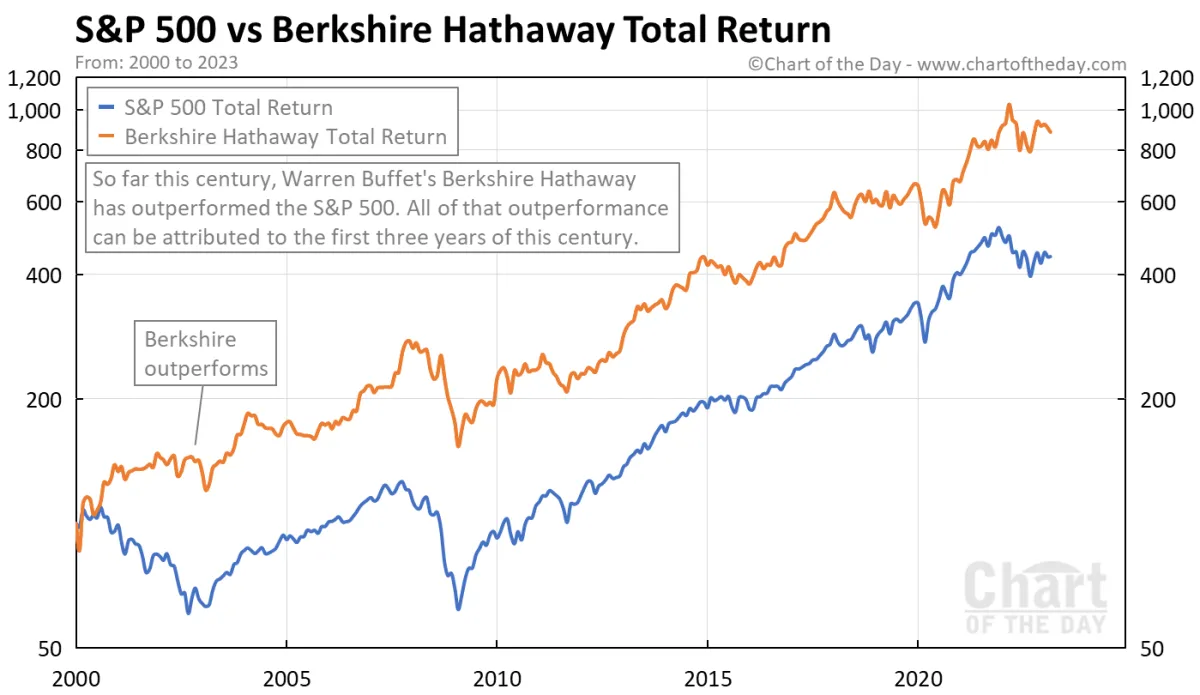 Photo: S&P 500, via www.chartoftheday.com
Let's say you buy a $400,000 house with cash versus putting 20% down and investing the remaining $320,000 in a diversified portfolio. Even with conservative projections, the investment portfolio often outperforms the foregone mortgage interest over time — sometimes by substantial margins.
This isn't theoretical. During the historically low interest rate environment of the 2010s, homeowners who chose 30-year mortgages at 3-4% rates and invested their cash elsewhere significantly outperformed those who paid cash upfront.
Liquidity Matters More Than Most People Think
Real estate is famously illiquid. If you need access to your money, you can't sell half your kitchen. You have to sell the entire property, pay transaction costs, and hope the market timing works in your favor. This lack of flexibility has real financial consequences that cash buyers rarely consider upfront.
Emergencies happen. Job losses occur. Investment opportunities arise. When your wealth is tied up in your home's equity, accessing it requires either selling (expensive and time-consuming) or taking out a loan against the property (which puts you right back where you started, except now you're borrowing against an appreciated asset at current market rates).
The Tax Benefits You're Giving Up
Mortgage interest is tax-deductible, effectively reducing your borrowing cost by your marginal tax rate. For higher-income earners, this can represent substantial annual savings. Cash buyers forfeit this benefit entirely, increasing their effective cost of homeownership.
Additionally, the mortgage interest deduction is front-loaded, meaning the tax benefits are highest in the early years when your payments consist mostly of interest rather than principal.
When Cash Actually Makes Sense
Cash purchases do offer legitimate advantages in specific circumstances. In extremely competitive markets, cash offers can win bidding wars that financed offers cannot. Cash buyers also avoid mortgage application processes, appraisal contingencies, and the risk of financing falling through at the last minute.
For buyers who prioritize peace of mind over optimal returns, eliminating monthly mortgage payments provides psychological benefits that may outweigh the financial opportunity cost. Some people sleep better knowing they own their home outright, regardless of what the spreadsheets say.
Cash also makes sense when mortgage rates exceed expected investment returns, though this scenario has been relatively rare in recent decades.
The Myth's Origin Story
The "cash is king" mentality originated during periods of high interest rates and limited credit availability. In the 1980s, when mortgage rates exceeded 15%, paying cash made obvious financial sense. The advice stuck around long after the conditions that created it had changed.
Real estate professionals also have incentives to promote cash purchases. Cash transactions close faster and with fewer complications, reducing the agent's time investment per sale. The advice serves the industry's interests, even when it doesn't serve the buyer's financial interests.
The Hidden Costs of Illiquidity
Beyond opportunity cost, all-cash buyers face unique risks that leveraged buyers avoid. If property values decline significantly, cash buyers absorb 100% of the loss with no buffer. Leveraged buyers, while still exposed to loss, have limited their downside to their down payment amount.
Cash buyers also miss out on inflation protection that fixed-rate mortgages provide. When inflation rises, mortgage payments become cheaper in real terms while rent and property values typically increase. Cash buyers don't benefit from this dynamic.
What Financial Advisors Actually Recommend
Most financial planners suggest a more nuanced approach: put down enough to avoid private mortgage insurance (typically 20%), secure the lowest possible interest rate, and invest the remainder in a diversified portfolio. This strategy provides the benefits of homeownership while maintaining liquidity and maximizing total return potential.
The key is running the actual numbers for your specific situation rather than following conventional wisdom that may not apply to current market conditions.
The Real Story
Cash purchases aren't inherently good or bad — they're a financial tool that works better in some circumstances than others. The problem is that most people treat "cash is king" as universal wisdom rather than situational advice.
The real advantage isn't having cash — it's having options. Buyers with substantial liquid assets can choose to pay cash when it provides strategic advantages (like winning a bidding war) while maintaining the flexibility to leverage their purchase when the numbers favor financing.
The next time someone tells you cash buyers always win, ask them to show you the math. You might be surprised by what the numbers reveal about this widely accepted piece of real estate wisdom.